

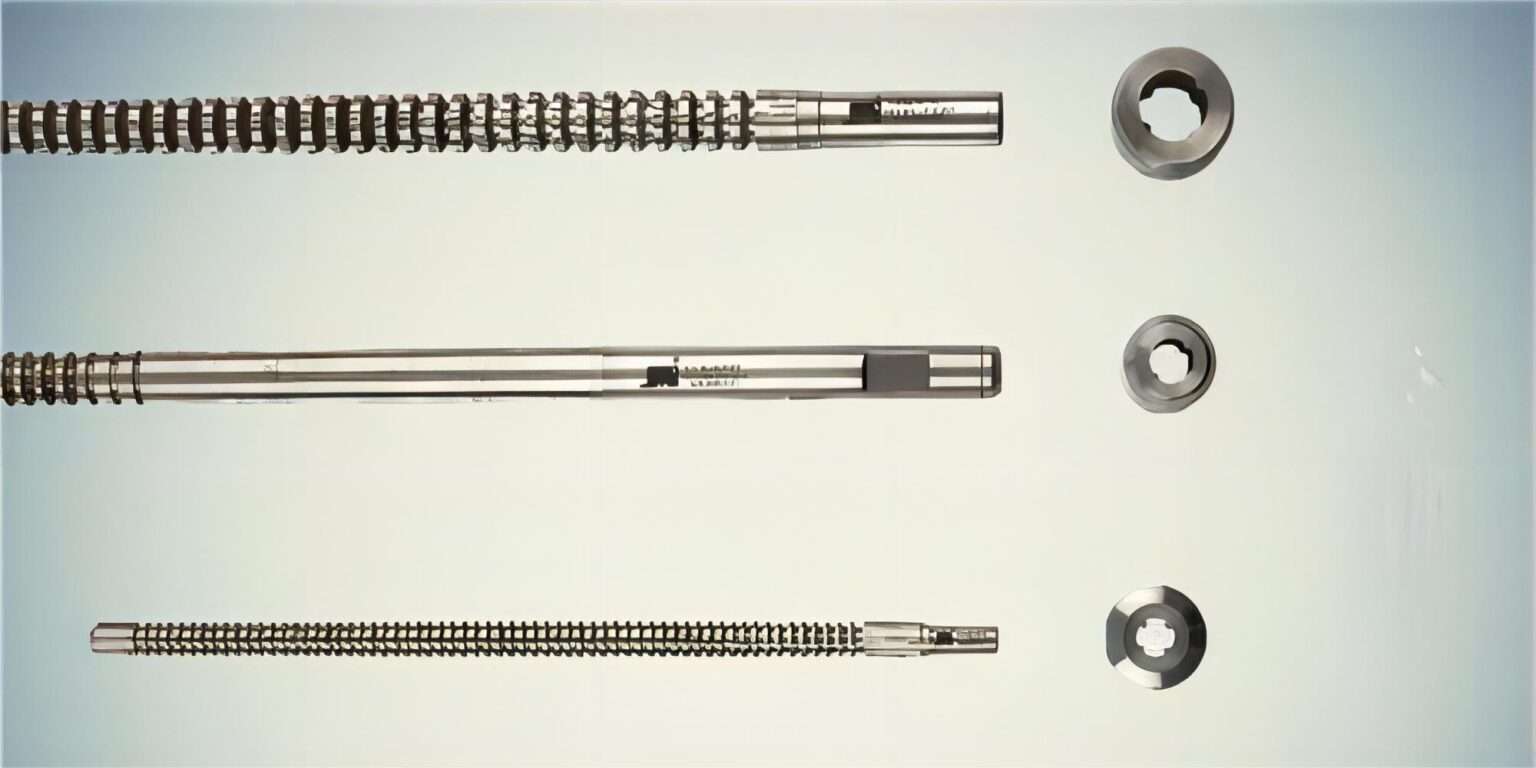
Broaching is one of those manufacturing processes that feels almost magical when everything goes right. A single, smooth pass delivers a precise, clean, and consistent shape that other machining methods struggle to match. But like any precision process, broaching depends heavily on the condition of the tool, the setup, and the machine itself. Even seasoned machinists occasionally encounter issues—from inconsistent finishes to premature tool wear or unexpected part distortion. The good news is that most broach tool problems have clear causes and equally clear solutions. The key is learning to recognise the early warning signs and taking corrective action before minor issues turn into costly downtime.
Understanding Why Broach Tools Fail
Every broach tool is designed to remove material gradually, tooth by tooth, in a carefully controlled progression. When something interferes with that progression—whether it’s incorrect sharpening, poor lubrication, misalignment, or the wrong cutting parameters—the tool begins to struggle. The symptoms of broach tool failure often show up long before catastrophic damage occurs: slightly rougher surfaces, subtle chatter marks, dimensional drift, or increased cutting resistance. Many manufacturers overlook these early indicators, assuming it’s just the material or machine, but more often than not, the broach tool is quietly sending warning signals.
One of the most common reasons broach tools fail prematurely is improper sharpening. Because the geometry of each tooth is so critical, even small deviations during reconditioning can disrupt the cutting sequence, causing stress concentrations and uneven loading. Similarly, misalignment between the broach and the workpiece can cause the tool to cut harder on one side than the other, wearing it unevenly and producing inconsistent parts. Understanding these root causes helps operators respond quickly and prevent larger issues.
Poor Surface Finish and What It Really Means
When a broaching operation suddenly produces rougher surfaces or visible tool marks, it’s tempting to blame worn tooling right away. While wear is certainly a possibility, the true cause is often more nuanced. Dull or improperly sharpened teeth can scrape instead of cut, leaving behind microscopic tears that translate into poor surface finish. But excessive feed, insufficient lubrication, or chip congestion can create the same result.
Fixing surface finish issues typically starts with inspecting the tool under magnification to check for rounded cutting edges or irregularities left after sharpening. If sharpening is the culprit, the solution is to recondition the tool properly—ensuring each tooth maintains the original rake angle, relief angle, and pitch. Inadequate lubrication can also be corrected by increasing fluid flow or switching to a lubricant better suited to the material being machined. Sometimes, simply clearing chips more frequently or adjusting the chip breaker geometry restores the smooth, predictable finish broaching is known for.
Premature Tool Wear and Its Hidden Causes
Broach tools are not cheap, and premature wear can quickly inflate production costs. Wear often accelerates when the tool is subjected to forces beyond its design. This usually arises from incorrect broach selection, using the wrong cutting parameters, or machining materials harder than anticipated. When a tool wears much faster than expected, it’s a sign that the cutting load is too high or too uneven.
To resolve wear issues like a pro, it’s essential to revisit the fundamentals. Check whether the broach tool matches the material hardness and geometry required. Verify that the cutting speed, lubrication, and stroke speed align with manufacturer recommendations. Re-balancing the load across the broach teeth, ensuring proper fixture support, and maintaining consistent alignment all help extend tool life. In many cases, adjusting just one parameter—such as reducing the stroke speed or improving coolant delivery—can dramatically improve wear resistance.
Dimensional Inaccuracy and Drift in the Final Product
Few things are more frustrating than parts drifting out of tolerance mid-production. Dimensional issues can arise from tool wear, but they also occur when chips accumulate, guides become loose, or fixtures shift during operation. Even temperature fluctuations can affect the broach or workpiece just enough to cause deviations.
Solving dimensional problems begins with isolating the variable. Inspecting the broach tool’s cutting edges, checking for uneven wear patterns, and verifying tool seating are the first steps. From there, ensure that the workpiece is properly clamped and that guides, bushings, and supports are not worn or misaligned. Sometimes the fix is as simple as installing a new guide bushing, which immediately restores accuracy and prevents tool deflection during cutting.
Chatter, Vibration, and Unexpected Noise
Chatter is one of the most recognisable—and alarming—signs that something is wrong during broaching. Excessive vibration results in poor surface finish, reduced tool life, and potential part damage. The root causes usually include loose fixturing, misalignment, inadequate lubrication, or an overly aggressive cutting action that the tool cannot sustain.
To resolve chatter issues, the operator must first stabilise the system. Ensuring fixtures are rigid, tightening all clamping elements, and aligning the broach precisely with the guide path often eliminate the problem. Reducing stroke speed or switching to a tool with improved chip management design can further minimise vibration. Regular lubrication checks help reduce friction, which in turn lowers noise and suppresses chatter.
Broach tool problems may seem intimidating, but they are far from unsolvable. Most stem from predictable causes, and once you understand the mechanics behind broaching, addressing them becomes second nature. By observing the early signs, maintaining good sharpening practices, and keeping machines properly aligned and lubricated, you can keep your broaching operations running smoothly, efficiently, and with professional-level precision. In the world of high-accuracy manufacturing, solving problems before they escalate isn’t just a skill—it’s a competitive advantage.